The Lean Product Playbook: How to Innovate with Minimum Viable Products and Rapid Customer Feedback — by Dan Olsen
8/10
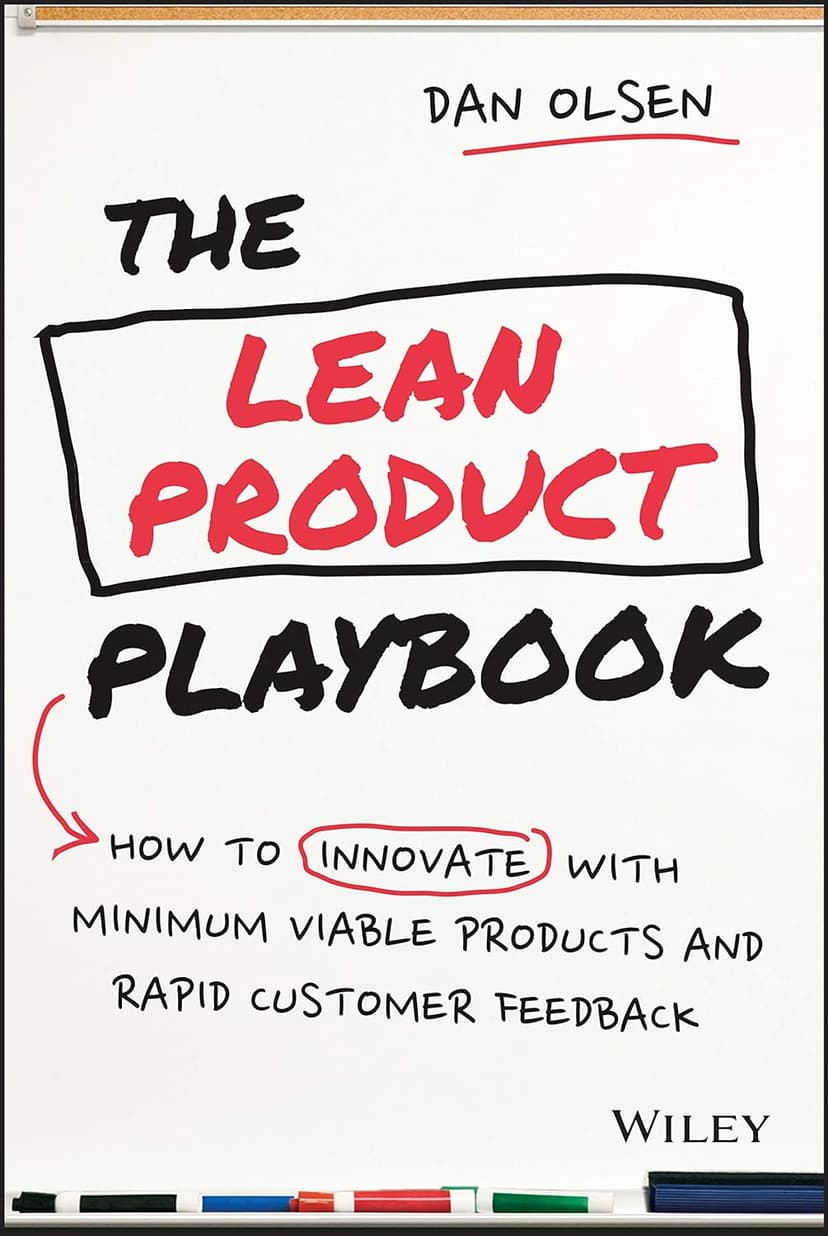
Якщо обирати одну книгу про процес розробки продуктів, я б рекомендував саме цю. Вона охоплює основні концепції та фреймворки, які можна застосувати на практиці.
Однак важливо розуміти: якщо успішні та неуспішні продукти мають однакові фреймворки та процеси, це означає, що саме вони не є вирішальним фактором, який відрізняє переможців від тих, хто зазнав невдачі.
Самі по собі фреймворки не вирішують задачі, вони лише сприяють кращій структуризації інформації та її ефективній передачі іншим. Тому головне у фреймворках — це зміст і актуальність інформації, якою вони наповнені.
Мої нотатки
User feedback is incredibly valuable because it identifies what you don’t know.
Working in smaller batch sizes increases velocity because they enable faster feedback, which reduces risk and waste.
A good product is designed with a focus on the set of needs that are important and that make sense to address together.
You want to identify the minimum functionality required to validate that you are heading in the right direction.
The goal is to find ways to reduce the scope and build only the most valuable pieces of each feature.
As with everything in the Lean Product Process, customer benefits start out as hypotheses. You are saying, “I think that target customer X would find customer benefit Y valuable.” Once you have an initial set of hypothetical customer benefits you feel good about, it’s time to test them with users. The best way to do so is via one-on-one, in-person customer discovery interviews.
“Why is that important to you?” until it doesn’t lead to any new answers. This helps elevate the discussion from more granular, detailed benefits to higher-level benefits. This market research technique is called “laddering”; as you ask more questions, you are climbing up rungs on a ladder of related benefits.
The laddering interview technique is similar to the “Five Whys” tool promoted by Eric Ries.
You also don’t want to unnecessarily risk wasting resources with an initial product scope that is too large. You do not have perfect information about all those customer needs. There is quite a bit of uncertainty in both your hypotheses and in what you think you know. That’s why you want to start off by identifying the minimum viable product.